Borehole Drilling in Nairobi, Mombasa, Nakuru and Kiambu
Water problems are local. The right borehole plan starts with the site rather than a generic promise — and Kehill Geoengineering Limited is based along Eastern Bypass in Utawala, Nairobi, opposite Grace Memorial Hospital.
- Survey-led drilling for homes, farms, schools and institutions
- Permit support, test pumping, pumps, solarisation and storage
- Free, no-obligation quotation after project details are shared
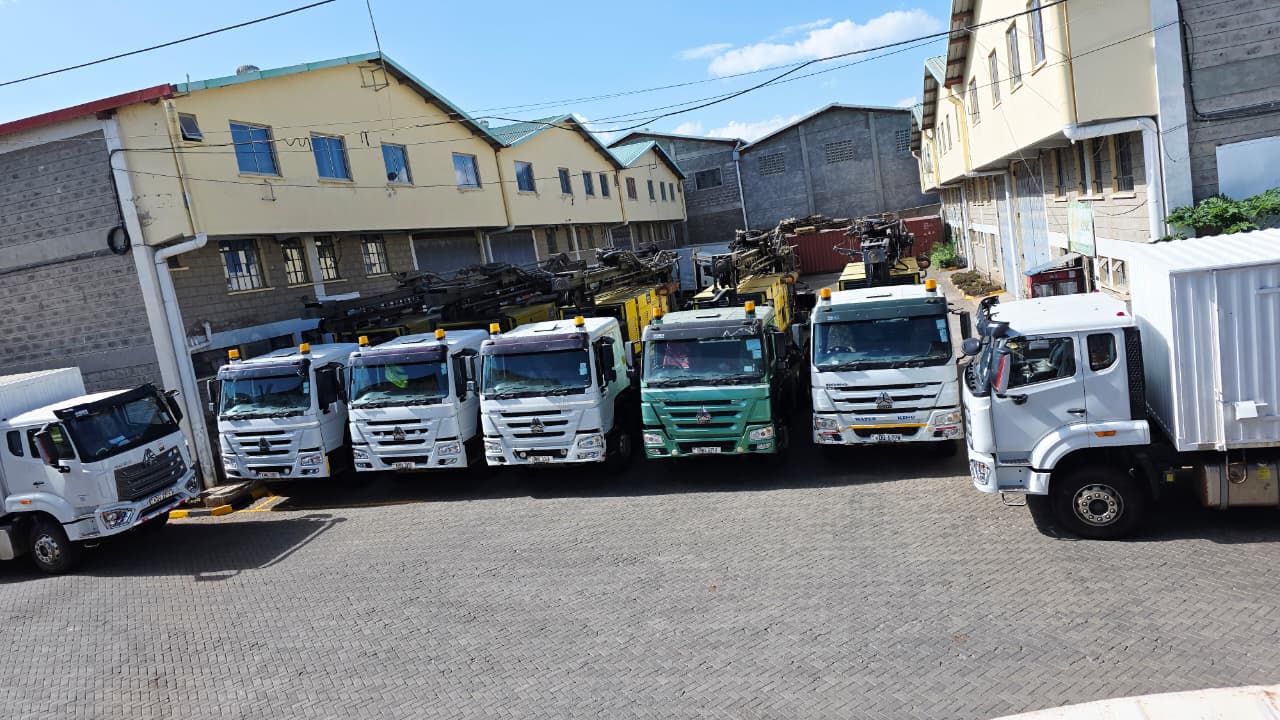
Reliable borehole drilling near you in Kenya
A homeowner in Utawala may be dealing with estate pressure and rationing, a farmer near Nakuru may be planning irrigation, a school in Kiambu may need dependable sanitation water, and a coastal institution may have to think carefully about salinity.
Kehill Geoengineering Limited is a licensed water drilling and contracting firm offering hydrogeological surveys, regulatory support, borehole drilling, test pumping, pumps, solar systems, geotechnical works and water storage solutions.
Borehole drilling in Nairobi
Nairobi and its surrounding areas include dense estates, new developments, large plots, schools, churches, offices and commercial properties. The practical challenges are often site access, limited working space, existing buildings, underground services and the need to keep disruption under control.
Kehill's published project examples include urban borehole drilling in the Nairobi metropolitan area, including drilling on a tight urban site with casing, gravel pack and pump installation. For a Nairobi homeowner or developer, an early site visit can help confirm where the rig can stand, where drilling spoils can be managed and how the finished water system will connect to tanks and buildings.
A Nairobi project may be suitable for an electric pump, solar-assisted pumping or a hybrid arrangement depending on demand and power reliability. For apartments, schools and institutions, storage is especially important, because a borehole's value is measured by the water available when people need it.
Borehole drilling in Kiambu
Kiambu combines residential growth, agricultural land, institutions and peri-urban developments. Properties can vary from compact residential plots to farms and large campuses. A survey-led approach is important because the expected depth, yield and geological conditions can change from one neighbourhood to another.
For a family home, the priority may be dependable domestic water and a manageable pump system. For a farm, it may be irrigation yield, storage and energy cost. For a school or institution, the design should consider peak demand, sanitation, kitchens, landscaping, firefighting reserves where applicable and future expansion.
A professional site assessment should also consider the distance from sanitation systems and possible contamination sources. Water should be tested before it is used for drinking, food preparation or other sensitive purposes.
Borehole drilling in Nakuru
Nakuru properties may include homes, farms, schools, estates and businesses with different water needs. A borehole plan should account for the intended use and the water-quality characteristics that may occur in the local geology. A clear water sample is not proof that the water is safe; laboratory testing is part of responsible commissioning.
For agricultural clients, test-pumping results help the team understand the borehole's sustainable performance before the pump and irrigation system are finalised. For institutions, the same process helps match water production, storage and daily demand.
Borehole drilling in Mombasa and the Coast
Coastal projects bring their own planning questions. Site access, saline groundwater risk, corrosion, storage, power reliability and the distance from the drilling base may all need attention. The final design should be based on local survey information and laboratory testing rather than assumptions about what a borehole will produce.
Homeowners may want a reliable supply for domestic use and rental properties. Farms may need water for livestock, horticulture or landscaping. Schools, hotels and institutions may need a system with storage and backup power so that daily operations can continue during interruptions.
The safest promise is not that every borehole will produce the same water. It is that the project will be assessed, constructed, tested and equipped according to the site and intended use.
One process for different locations
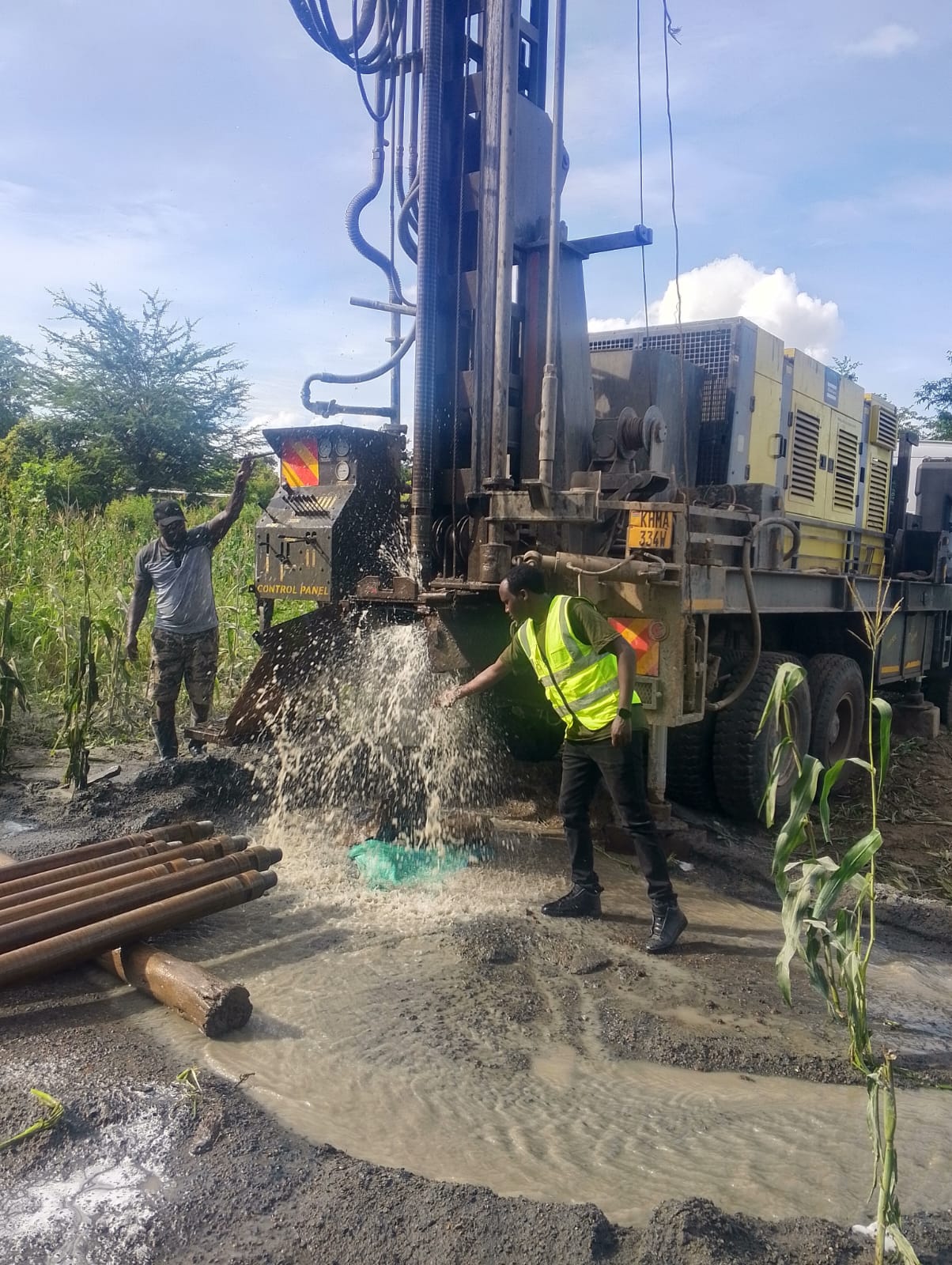
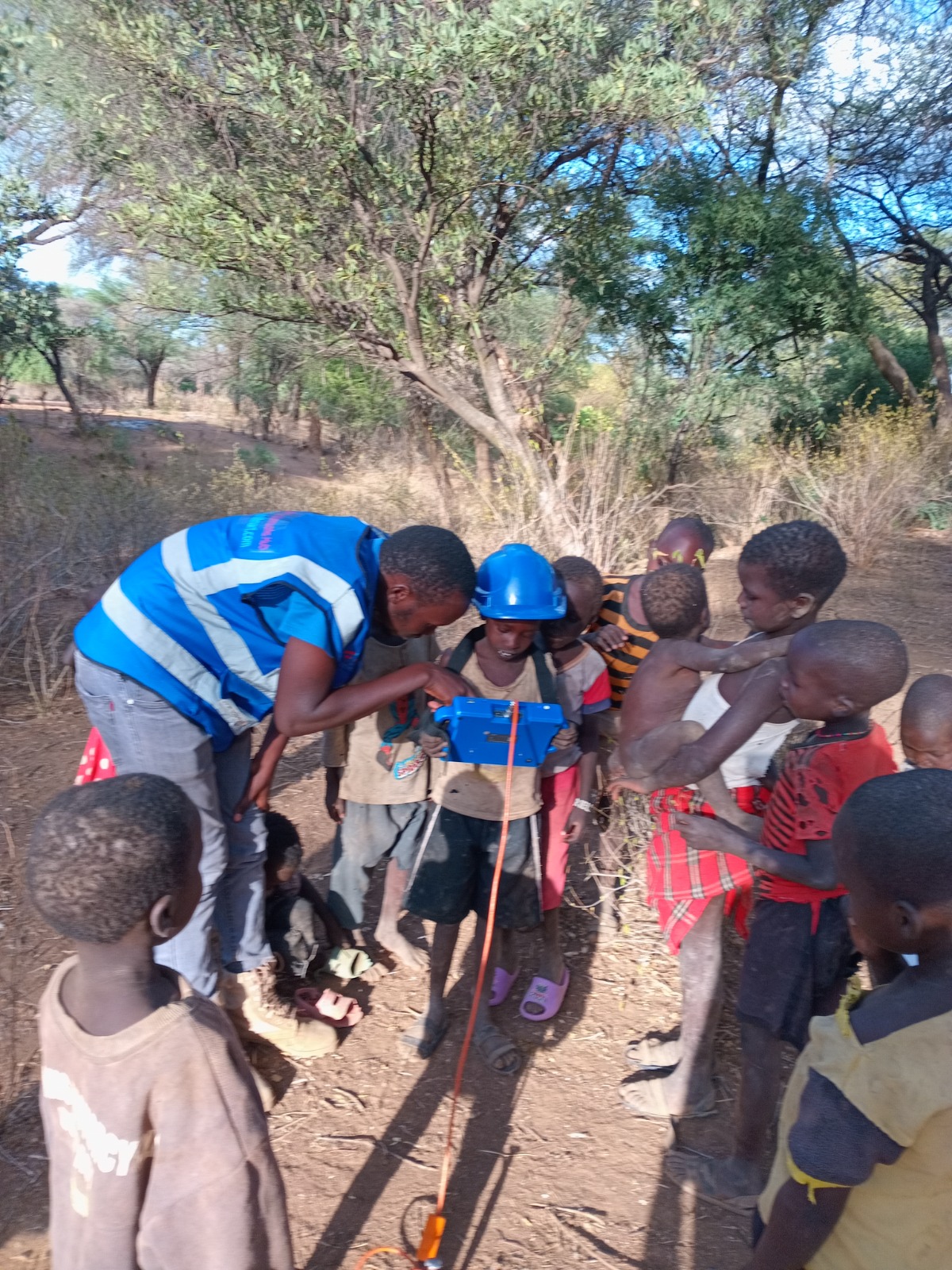
Whether the project is in Nairobi, Mombasa, Nakuru or Kiambu, Kehill's four-step process follows the same sensible sequence: first survey the site, then address permits, drill using the method suited to the formation, and finally test and equip the borehole.
| Stage | What happens | Why it matters to the client |
|---|---|---|
| Site survey | Hydrogeological and geophysical assessment | Reduces guesswork about the drilling point and likely conditions |
| Permits | WRA, WARMA and EIA-related approvals as applicable | Keeps the project aligned with regulatory requirements |
| Drilling | Mud rotary or air / DTH drilling depending on the ground | Uses a method suited to the formation |
| Construction | Casing, gravel pack, flushing and development as specified | Supports borehole stability and performance |
| Testing | Test pumping and water-quality analysis | Helps determine sustainable yield and suitability |
| Equipping | Pump, controls, solar option, storage and tower where needed | Turns the borehole into a usable water system |
Who can benefit from a borehole?
A borehole can make sense for a homeowner who is tired of rationing, a farm that needs more reliable water planning, a school that cannot afford interruptions to sanitation, or an institution that needs a dependable supply for staff, residents, patients, worshippers or visitors. The right solution depends on demand, budget, space, geology and long-term plans.
Kehill's published project portfolio includes community boreholes for schools and health centres, a university borehole serving accommodation and laboratories, solar-powered water systems for pastoralist communities, church installations and boreholes for urban and mixed-use developments.
Local service, careful planning
A “near me” search should not end with the closest advertised price. It should lead to a contractor who can explain the survey, the approvals, the construction specification, the test results and the equipment that will be installed. Kehill is available 24/7 and offers free, no-obligation quotations after receiving project details.
Request a quote for your property
Share your location, the intended use, estimated number of users, available space, access conditions and whether you are considering solar power. We can then advise on the most appropriate next step.
FAQs for local searchers
Does Kehill drill boreholes outside Nairobi?
Kehill's work is described across Kenya and beyond, with projects listed in several counties. Ask the team to confirm availability, mobilisation and scheduling for your exact location.
Can Kehill help with solar pumping?
Yes. Borehole installation and solarisation, and solar backup systems, are listed Kehill services.
Can a school or farm request a complete solution?
Yes. Kehill describes an end-to-end service that can include survey, permits, drilling, testing, pump installation, solar power and storage.
How quickly can I get a quotation?
The borehole service page says the team aims to respond within 24 hours after receiving the location and project type.
Get a borehole plan for your location
Send us your location pin, intended use and access details, and our engineers will advise on the next step.
- 0769 164 381
- 0790 589 500
- 0724 774 227
- kehillgeoengineeringltd@gmail.com
- Grey Park Annex Building, Eastern Bypass, Utawala, Nairobi, opposite Grace Memorial Hospital