
Borehole vs Well vs Municipal Water in Kenya
There is no universal winner between a borehole, a shallow well and municipal water. The right choice depends on your location, demand, budget, the reliability of the public supply and how the water will be used.
- Side-by-side comparison of the three options
- Cost thinking beyond the first payment
- Guidance for homeowners, farms and institutions
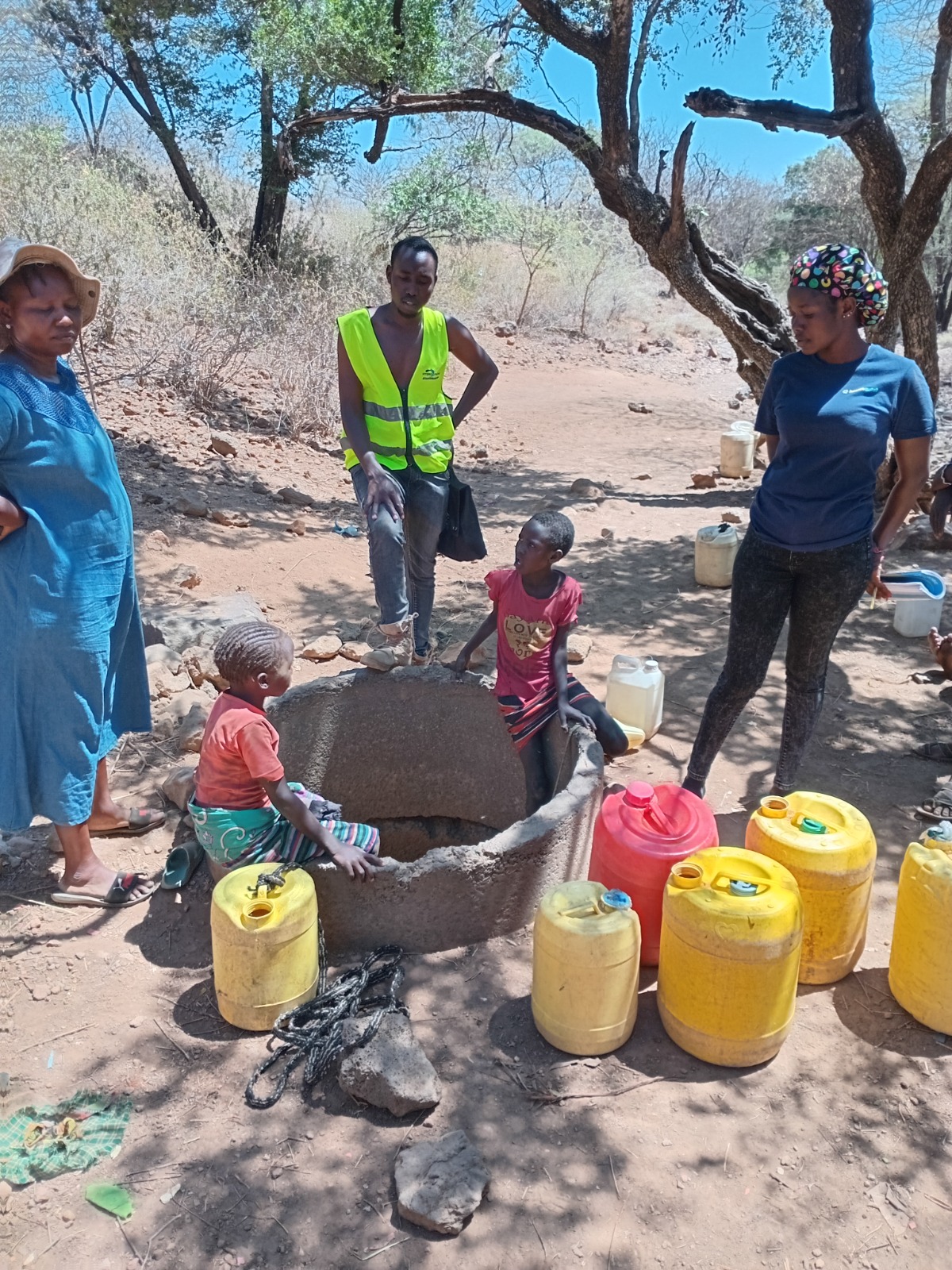
The best water source depends on your property
A shallow well may be affordable where the water table is high and demand is modest. Municipal water may be convenient where the network is dependable. A borehole may be the stronger long-term option for a home, farm, school or institution that needs more control over supply and has the budget for professional construction and equipment.
Quick comparison
| Factor | Borehole | Shallow well | Municipal water |
|---|---|---|---|
| Water source | Deeper aquifer reached through a drilled and cased shaft | Near-surface groundwater | Utility-managed treated supply delivered through a network |
| Typical strength | Higher potential yield and greater control | Lower upfront cost and simple pumping in suitable areas | Convenience where the network is available and reliable |
| Main risk | High initial investment, mineral content, over-abstraction or pump failure | Seasonal drying and contamination from surface activities | Rationing, low pressure, outages and recurring bills |
| Best suited to | Homes, farms, schools, institutions and commercial properties with medium to high demand | Lower-demand properties with a suitable shallow water table | Properties with dependable network access and modest or predictable demand |
| Quality responsibility | Test the source and install treatment if needed | Requires careful protection and frequent testing | Utility treats the supply, but internal pipes and storage still matter |
| Power requirement | Usually needs an electric, solar or other pump | May use hand pumping or a smaller electric pump | Usually arrives under network pressure, though storage may be needed |
Boreholes: higher initial investment, more control
A borehole is a professionally drilled and constructed groundwater source. It is usually lined with casing, developed, test-pumped and equipped with a submersible pump. It can serve domestic use, irrigation, livestock, schools, health facilities, churches, offices and other institutions, provided the design matches the sustainable yield and the water is suitable for the intended use.
The main attraction is control. You are not relying entirely on a utility schedule, and you can design the pump, storage and power system around your own demand. The trade-off is that the initial investment is higher. You also take responsibility for maintenance, power, water-quality testing and lawful abstraction.
Kehill's service model covers the main stages: hydrogeological survey, licensing support, drilling, test pumping, pump installation, solarisation and water storage.
Shallow wells: affordable, but more exposed
A shallow well reaches groundwater closer to the surface. It may be appropriate in locations with a high water table and lower water demand. It can be useful for some households, gardens, livestock or non-potable uses, but its performance can change more quickly during a dry season.
Because shallow water is more exposed to surface activities, the well must be protected from runoff, waste, septic systems, pit latrines, chemicals and flooding. Water should be tested before drinking.
Municipal water: convenient when the network works
Municipal water is attractive because the utility handles treatment and distribution. The upfront connection cost can be lower than building a private water source, and the owner may prefer paying a bill rather than maintaining a pump.
The weakness is dependence on the network. Rationing, pipe breaks, low pressure, delayed connections and interruptions can affect homes and institutions. A tank and backup source may still be needed, especially for schools, farms, apartments, health facilities and businesses where water cannot simply stop during the day.
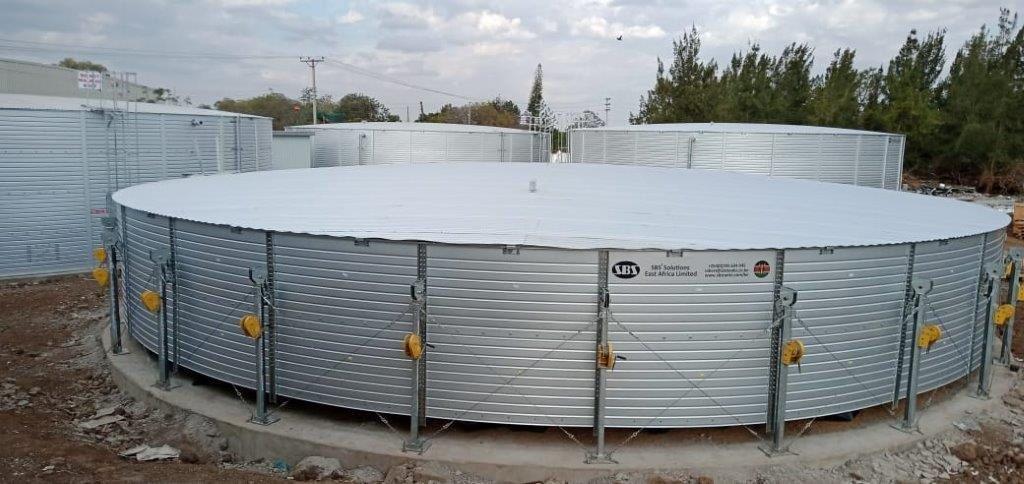
Cost comparison: think beyond the first payment
Public 2026 comparison guidance places the upfront cost of a borehole substantially above a shallow well or a normal municipal connection, but it also notes that long-term costs depend on maintenance, electricity, pumping, storage, water deliveries and reliability.
These are indicative planning figures from public industry sources; they vary by provider and location and are not Kehill Geoengineering's prices or a quotation.
| Cost question | Borehole | Shallow well | Municipal water |
|---|---|---|---|
| Initial payment | Survey, approvals, drilling, casing, testing, pump and power | Digging or drilling, lining, cover and pump | Application, connection, meter and internal plumbing |
| Ongoing costs | Electricity or solar upkeep, pump maintenance, testing and repairs | Cleaning, pump repairs, protection and testing | Monthly bill, storage, occasional delivered water and plumbing |
| Cost risk | Uncertain geology and equipment specification | Dry season or contamination can create extra costs | Outages may require tanks or water deliveries |
| Best financial question | Will the source serve my needs for many years? | Is the shallow source dependable and safe enough? | Is the network reliable enough for my daily operations? |
Do not compare a borehole quotation with a municipal connection fee as if they provide the same thing. One is a private water asset with construction and equipment; the other is access to a shared network.
Water quality: natural does not mean automatically safe
Borehole and well water should be tested before drinking or food preparation. Municipal water is treated by the utility, but quality can still be affected by storage tanks, old internal plumbing, low pressure and contamination after the point of supply. Every source needs sensible management, even when the water looks clear.
Which option suits your situation?
Homeowners
Choose a borehole when you need greater independence, have enough space and expect to remain on the property for the long term. A shallow well may suit a low-demand property in a high-water-table area, but it requires careful protection. Municipal water may be enough where supply is dependable, especially with storage.
Farms
Farms should begin with water demand: crop type, acreage, livestock, irrigation schedule and seasonal needs. A borehole may support a larger and more controlled supply, but test pumping and sustainable abstraction are essential. A shallow well should not be assumed to support commercial irrigation without evidence.
Schools and institutions
Continuity, hygiene and storage matter as much as the source. A borehole with adequate storage and backup power can reduce vulnerability, but the system must be legally approved, tested and maintained.
A practical decision checklist
Before choosing, write down your location, current water sources, daily demand, future expansion, budget, power situation, available space and the consequences of a one-day outage. Then ask a qualified water contractor to assess the site and explain the options.
Final recommendation
If you need low-cost water for modest use and have a naturally shallow water table, a protected shallow well may be appropriate. If the public supply is dependable and your demand is moderate, municipal water plus storage may be enough. If you need greater control, higher demand capacity or a long-term private source, a professionally designed borehole deserves serious consideration. The right answer should come from the property, not from a sales slogan.
Frequently asked questions
Which is better: a borehole, a shallow well or municipal water?
There is no universal winner. The right choice depends on where you live, how much water you need, how reliable the public supply is, what your budget allows, and whether the water is for drinking, irrigation, livestock, sanitation or a commercial operation.
Is borehole or well water automatically safe to drink?
No. Borehole and well water should be tested before drinking or food preparation. Groundwater may contain minerals such as fluoride, iron or manganese, and local conditions can introduce salinity or nitrate concerns. Shallow wells are generally more exposed to microbial contamination.
Is a shallow well cheaper in the long run?
A lower construction cost does not automatically mean a lower long-term cost. If the well dries, becomes contaminated or needs repeated cleaning and repairs, costs can rise. A shallow well should be chosen because the local hydrogeology and intended use make it sensible, not simply because it is cheaper.
Can municipal water be combined with a borehole?
Yes. Municipal water is often best treated as one part of a resilient water plan. A property may combine a municipal connection, storage tanks and a borehole or delivered-water backup, depending on local conditions and regulations.
Not sure which water source suits your property?
Speak to Kehill Geoengineering. Share your location, demand and current supply, and our engineers will explain the realistic options.
- 0769 164 381
- 0790 589 500
- 0724 774 227
- kehillgeoengineeringltd@gmail.com
- Grey Park Annex Building, Eastern Bypass, Utawala, Nairobi, opposite Grace Memorial Hospital